In industrial component procurement, different product categories have fundamental differences in selection logic, certification requirements, and logistics coordination. Take stator and rotor cores versus fasteners as examples: the former are high-precision core components for motors, while the latter are widely used general-purpose parts. Their management within the B2B procurement chain differs significantly. Understanding these distinctions is essential for effective bundled procurement and supply chain optimization.
Selection Certification: Precision-Driven vs. Standard-Driven
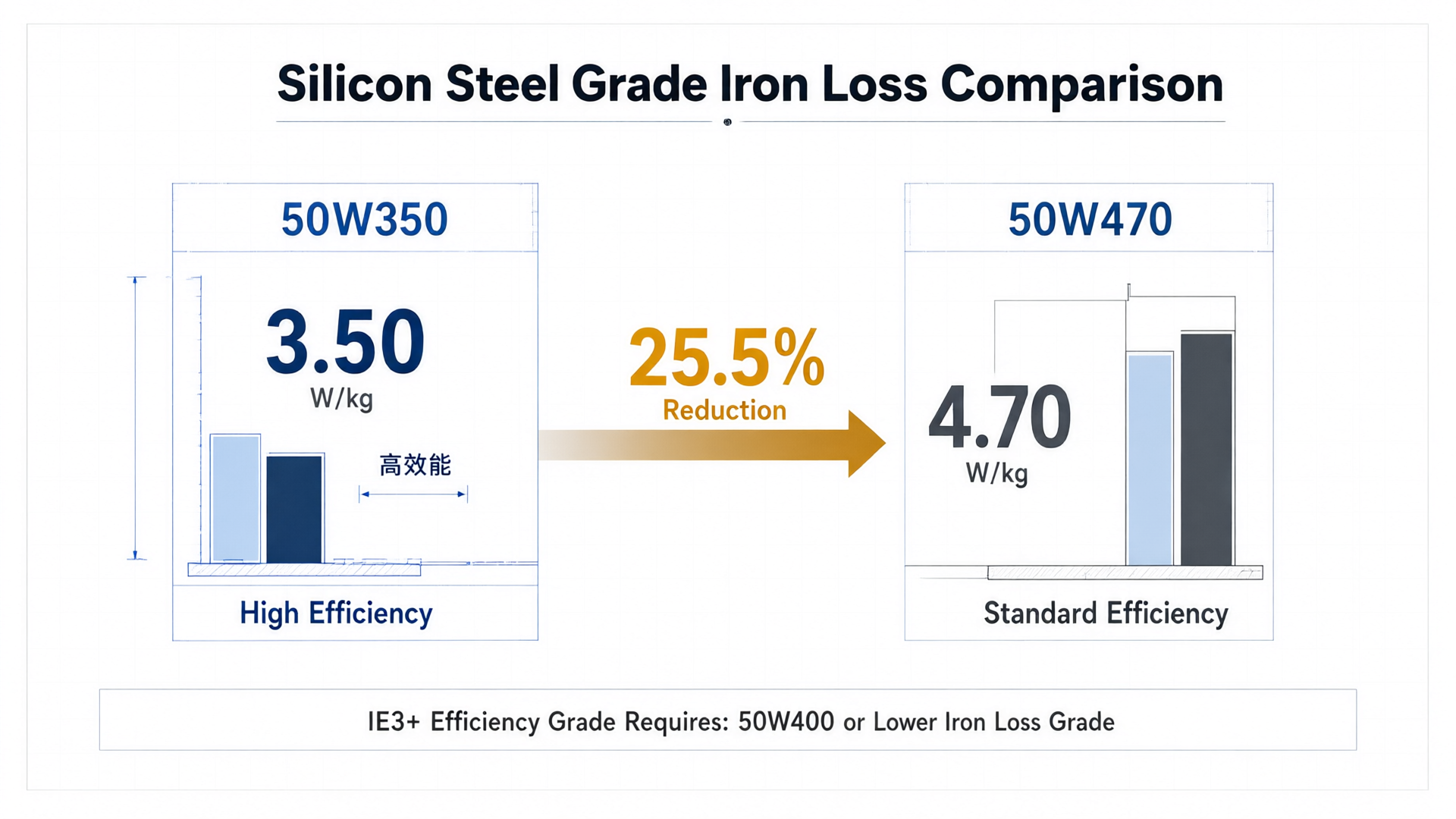
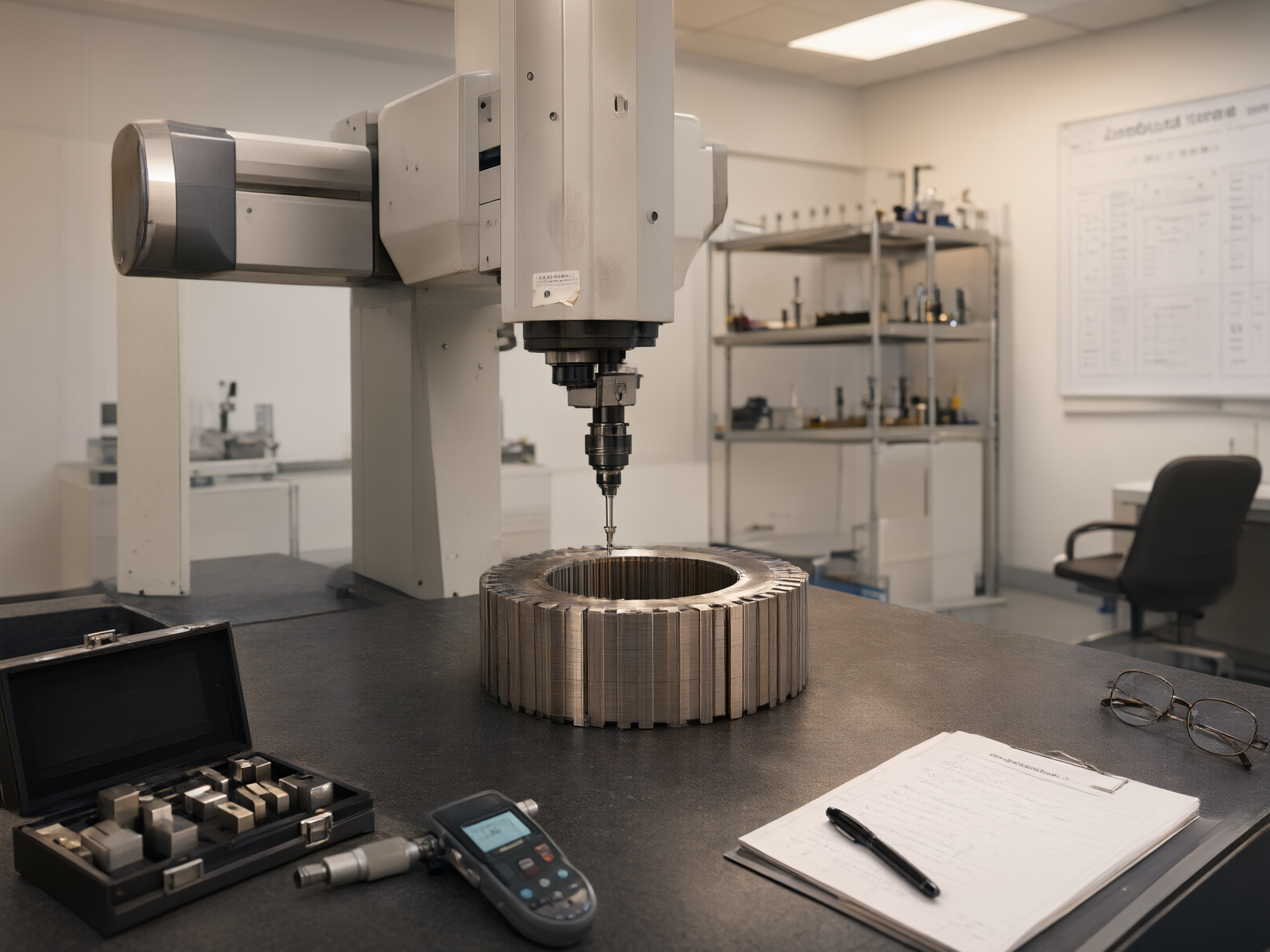
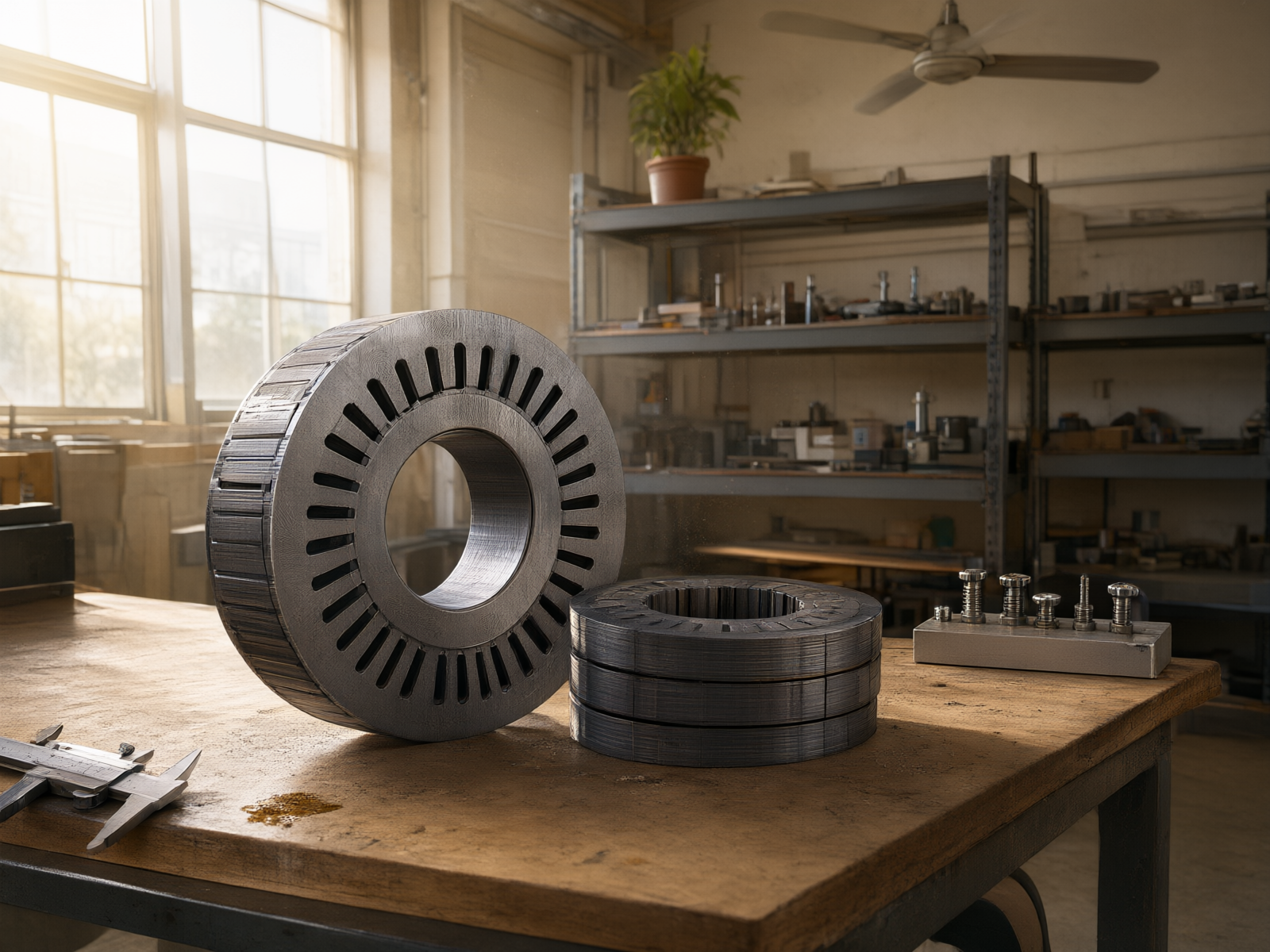
The core of stator and rotor lamination selection lies in precision matching. These components directly determine motor efficiency and lifespan. Buyers should focus on key parameters such as stacking factor, concentricity, and slot profile accuracy; tolerance grades typically require IT6-IT7. For certification, suppliers must hold IATF 16949 automotive quality management system certification. Each delivery batch must include a First Article Inspection (FAI) report and a Mill Test Certificate to verify that the electrical steel grade and mechanical properties meet design specifications. Some European and North American customers also require a Certificate of Conformity (CoC) to confirm compliance with specific regulatory directives.
Fastener selection is driven by standards. Bolts, nuts, washers, and similar products adhere to international systems such as ISO, DIN, and GB. Procurement priorities focus on accurate matching of dimensions, strength grades, and surface finishes. Certification requirements are largely standardized: ISO 9001 quality management system compliance is the baseline, while salt spray test reports and material certifications are standard accompanying documents. For custom non-standard parts, additional confirmation of mold development timelines and prototyping validation processes is required.
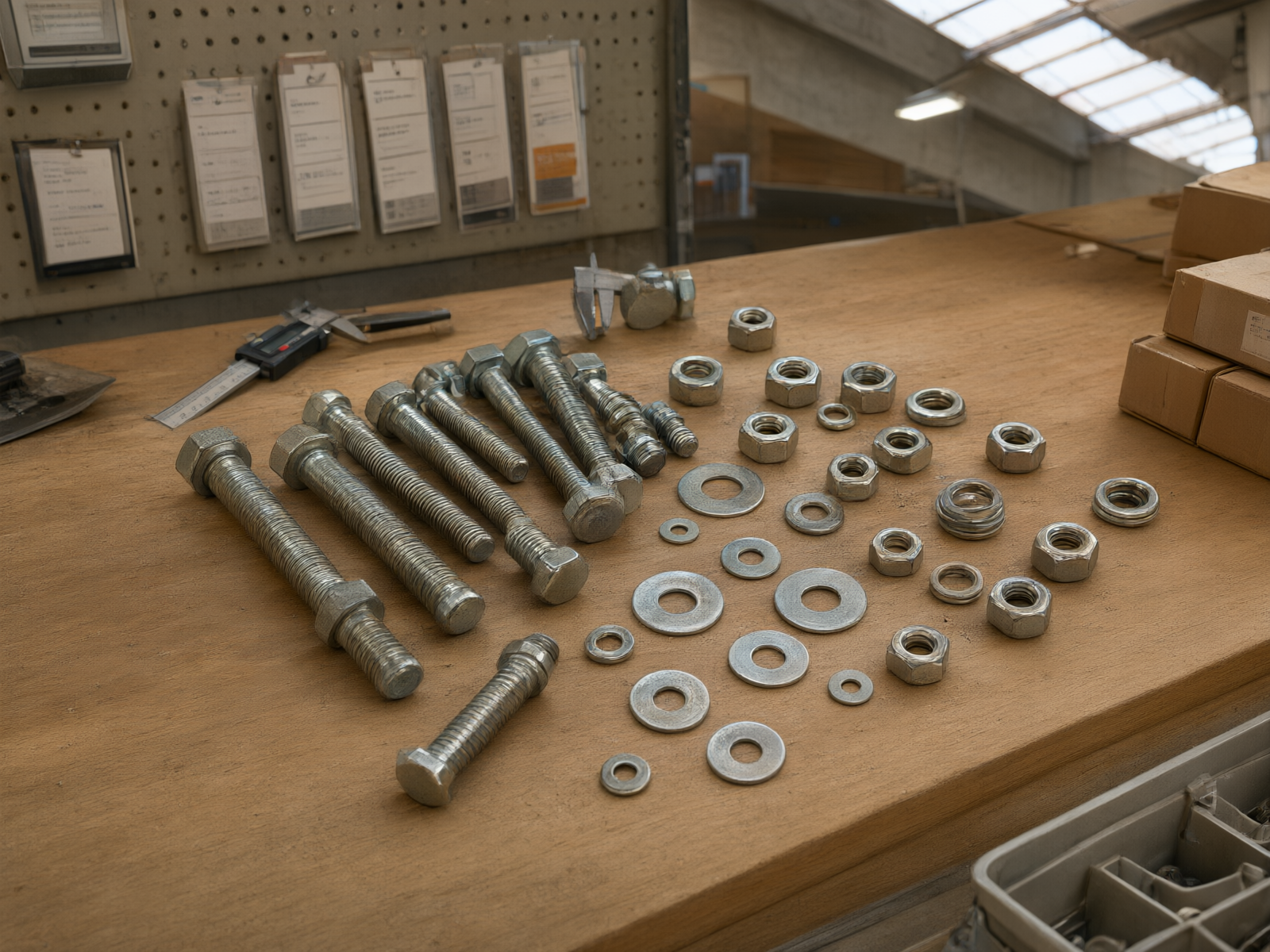
The difference in certification depth between the two product types stems from their varying impact on end-product safety. Stator and rotor cores, as functional components, carry severe failure consequences and require a longer certification chain. Fasteners, as connecting components, are highly standardized, with certification focused on batch consistency.
Logistics Coordination: Differences in Protection Levels and Delivery Rhythms
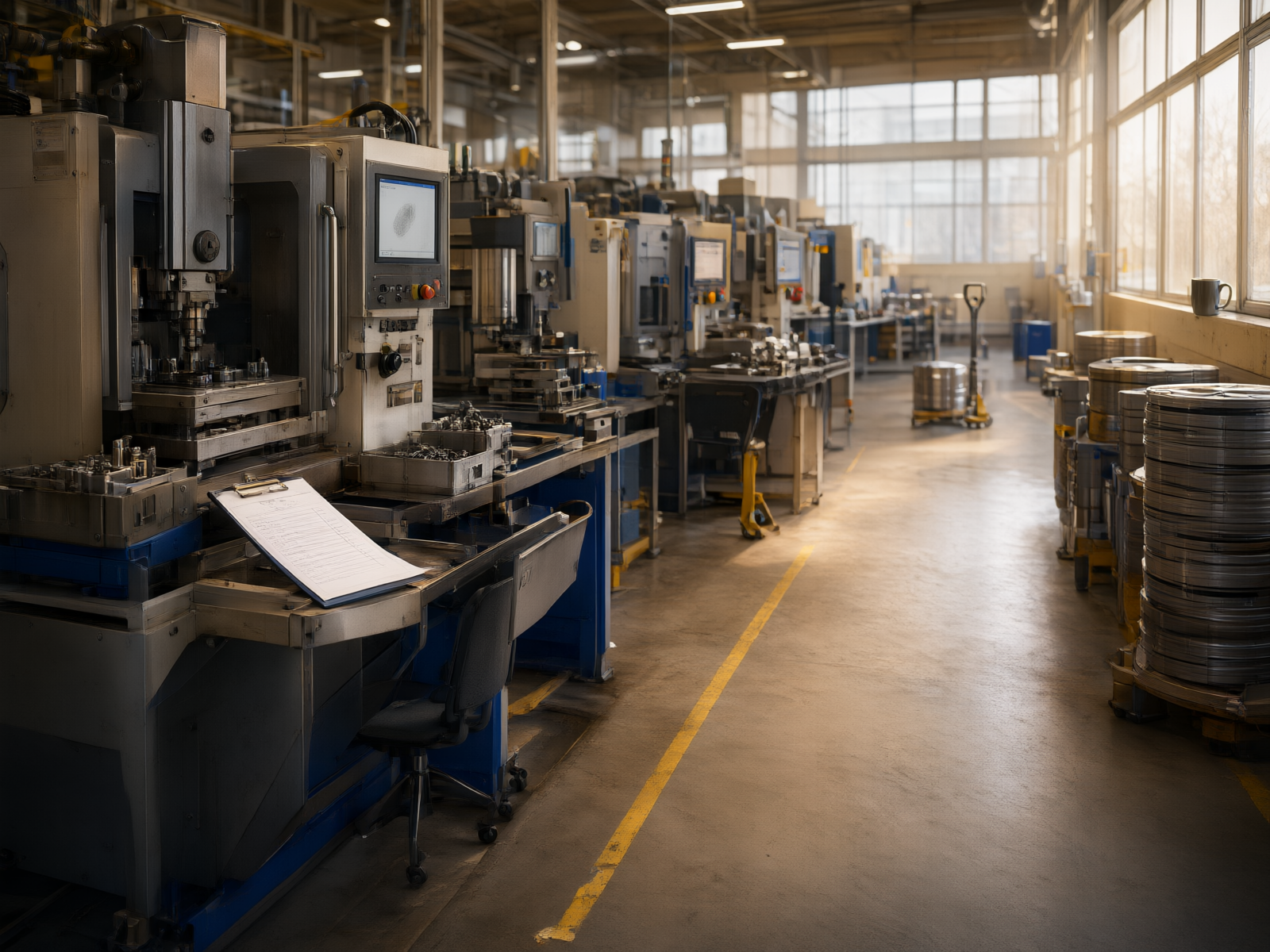
Stator and rotor cores require strict logistics handling. After stamping, silicon steel cores are prone to moisture absorption and oxidation, necessitating moisture-proof packaging and anti-rust treatment during transit. Precision-machined surfaces can be damaged by bumps during handling, leading to dimensional deviations; therefore, custom separators or thermoformed trays are required for individual isolation. Delivery schedules typically follow project-based or model-specific bulk orders with concentrated purchase volumes. However, lead times are significantly influenced by mold conditions and raw material availability, requiring buyers to submit forecasts 30-45 days in advance.
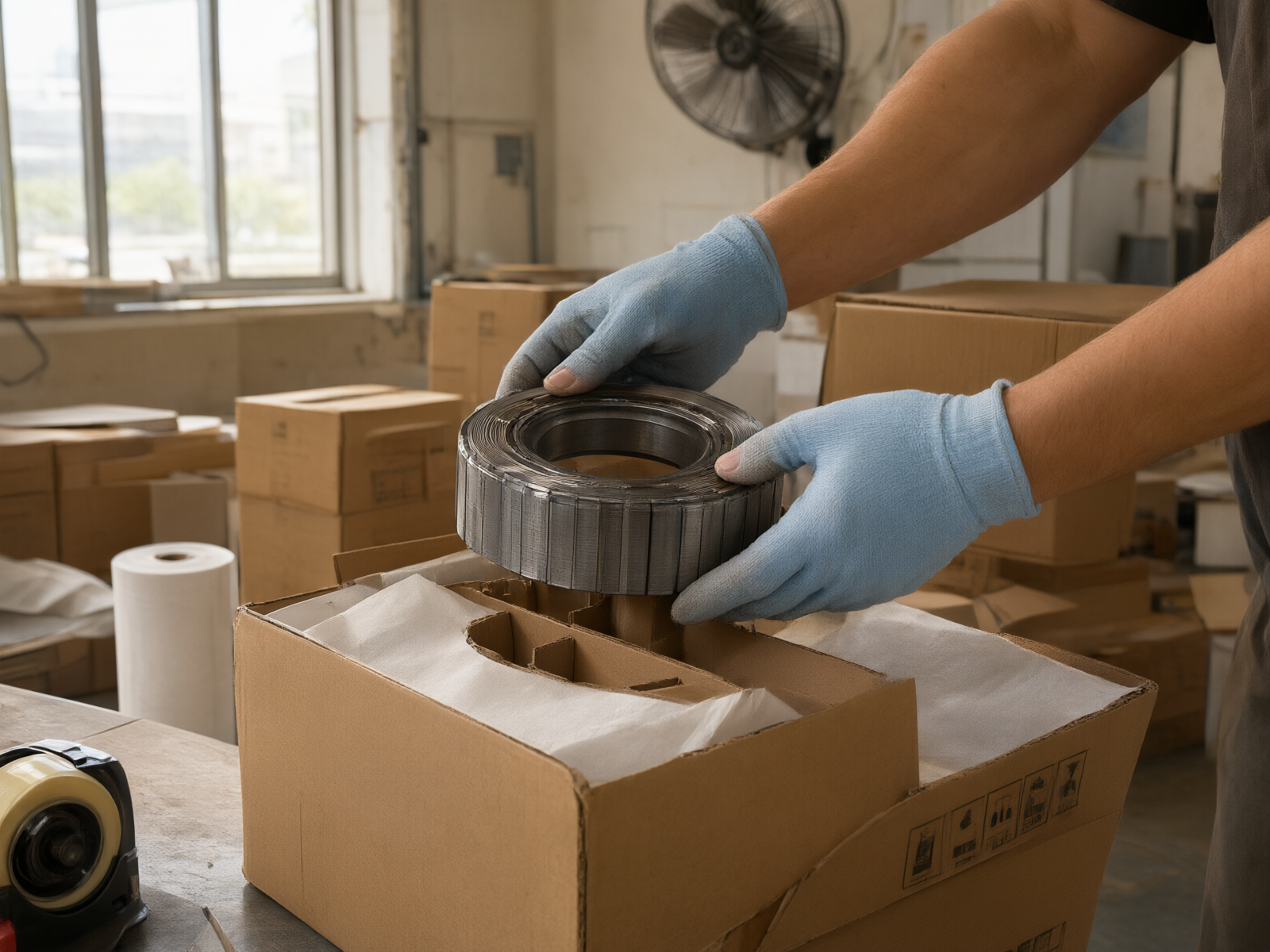
Fastener logistics prioritize efficiency. Standard fasteners have uniform dimensions and concentrated weight, making them ideal for unitized loading in standardized cartons on pallets, with relatively simple transport protection requirements. Due to high consumption rates and frequent replenishment needs, buyers typically adopt a safety stock plus rolling order model, requiring suppliers to demonstrate 7-15 day response capabilities.
The difference between these two product categories in logistics stems from contrasting management philosophies: "precision component protection" versus "standard item turnover."
Supply chain optimization pathways for bundled procurement
When a company procures both stator/rotor cores and fasteners, integrating the supply chain management for both product categories can deliver significant synergies.
Unified supplier management is the first step. Partnering with a source factory supply chain provider capable of multi-category sourcing reduces the number of suppliers and lowers management costs. Take Ruiyang Technology as an example: as a one-stop global trading service covering both stator/rotor cores and fasteners, it coordinates production and shipment for both product categories under unified quality standards and delivery systems, eliminating communication inefficiencies caused by buyers managing multiple suppliers separately.
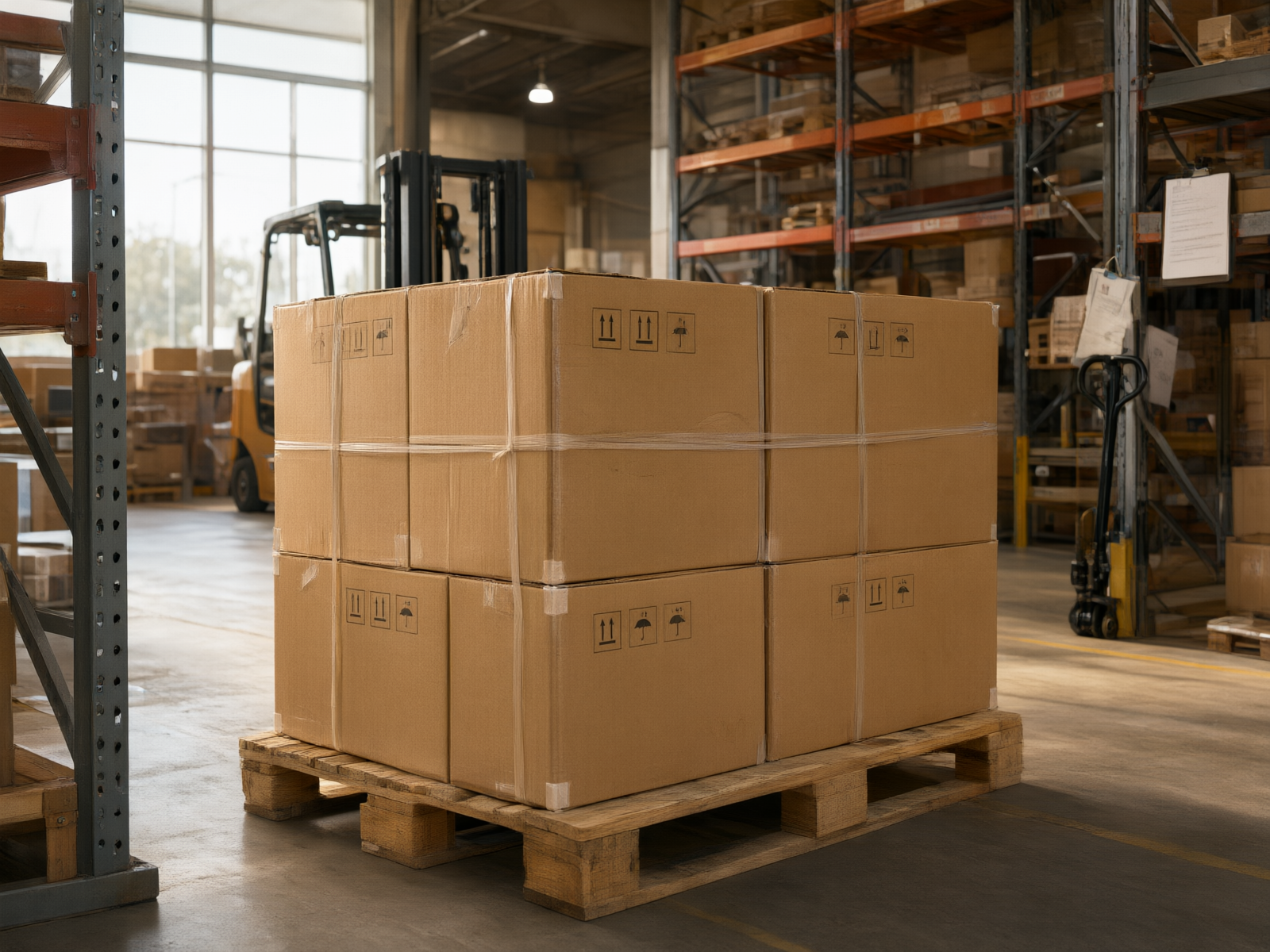
Logistics consolidation is the second optimization direction. Although the two product categories have different protection requirements, they can be shipped together in a single batch. By standardizing packing and customs clearance procedures, you can reduce the frequency of partial shipments and lower unit international shipping costs. For key markets such as Southeast Asia, the Middle East, and Europe, consolidated shipments also shorten customs clearance lead times.
Unified quality management is equally critical. Integrating incoming inspection for both product types into a single quality system, executed by one team, reduces equipment investment and staffing needs. Suppliers holding both IATF 16949 and ISO 9001 certifications can provide comprehensive quality assurance across all product categories.
Conclusion
Differences in selection certification and logistics coordination for stator/rotor cores and fasteners reflect the underlying logic of "precision control" versus "efficiency first" in industrial component procurement. For B2B buyers sourcing both product types, partnering with a supply chain provider capable of multi-category integration—unifying certification management, logistics coordination, and quality control within a single system—is an effective path to reduce total procurement costs and enhance delivery certainty.
15 years of international trade experience, specializing in the industrial parts supply chain. Expertise in technical standards and quality control systems for motor laminations and fasteners, serving customers in over 100 countries worldwide.