In international trade, HS code classification directly determines tariff rates and customs clearance efficiency. Although stator and rotor cores and fasteners are both industrial components, they differ fundamentally in customs classification logic, applicable tax rates, and declaration requirements. Understanding these differences is essential for controlling export costs and mitigating compliance risks.\n\n## Fundamental Differences in HS Code Classification Logic\n\nStator and rotor cores, as core motor components, fall under Chapter 85 of the Harmonized System ("Electrical Machinery and Equipment; Parts Thereof"). The specific tariff heading typically falls under 8501 (for AC motors) or 8503 (for parts of electric motors). Classification is based on functional attributes—they are designed specifically or primarily for use in motor systems, rather than being classified merely as steel products.\n\nFasteners, on the other hand, are classified under Chapter 73 ("Articles of Iron or Steel"), with tariff headings concentrated under 7318 (e.g., screws, bolts, nuts made of iron or steel). Classification logic here is based on material and versatility: fasteners are standardized connectors used across multiple industries and lack the specificity required for dedicated equipment.\n\nThe divergence in classifying these two product categories lies in the distinction between "special-purpose" and "general-purpose." Stator and rotor cores are classified under electrical machinery chapters due to their specialized function, whereas fasteners are classified under articles of iron or steel due to their universal application.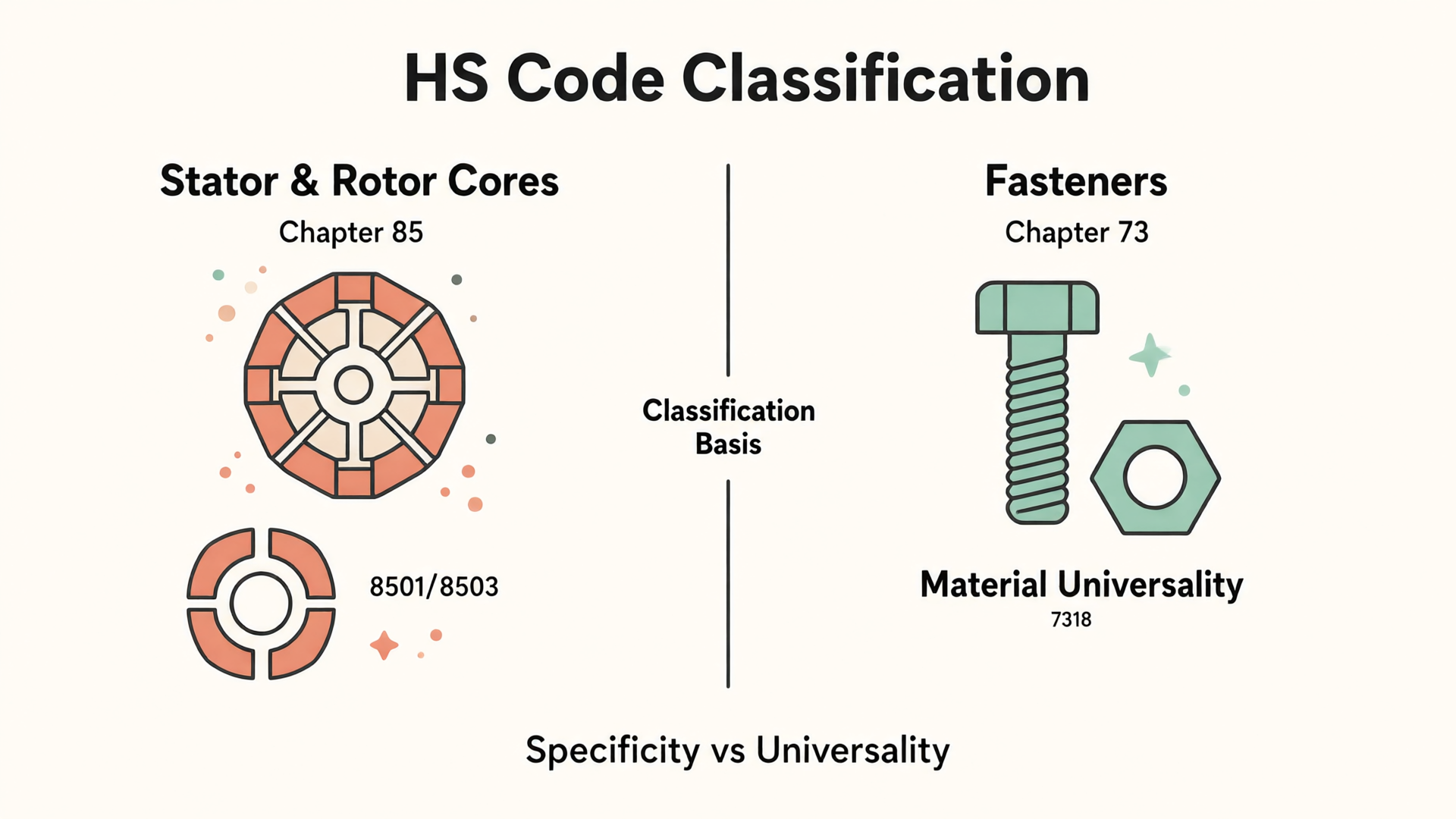 ## Differences in Tariff Rates and Declaration Requirements
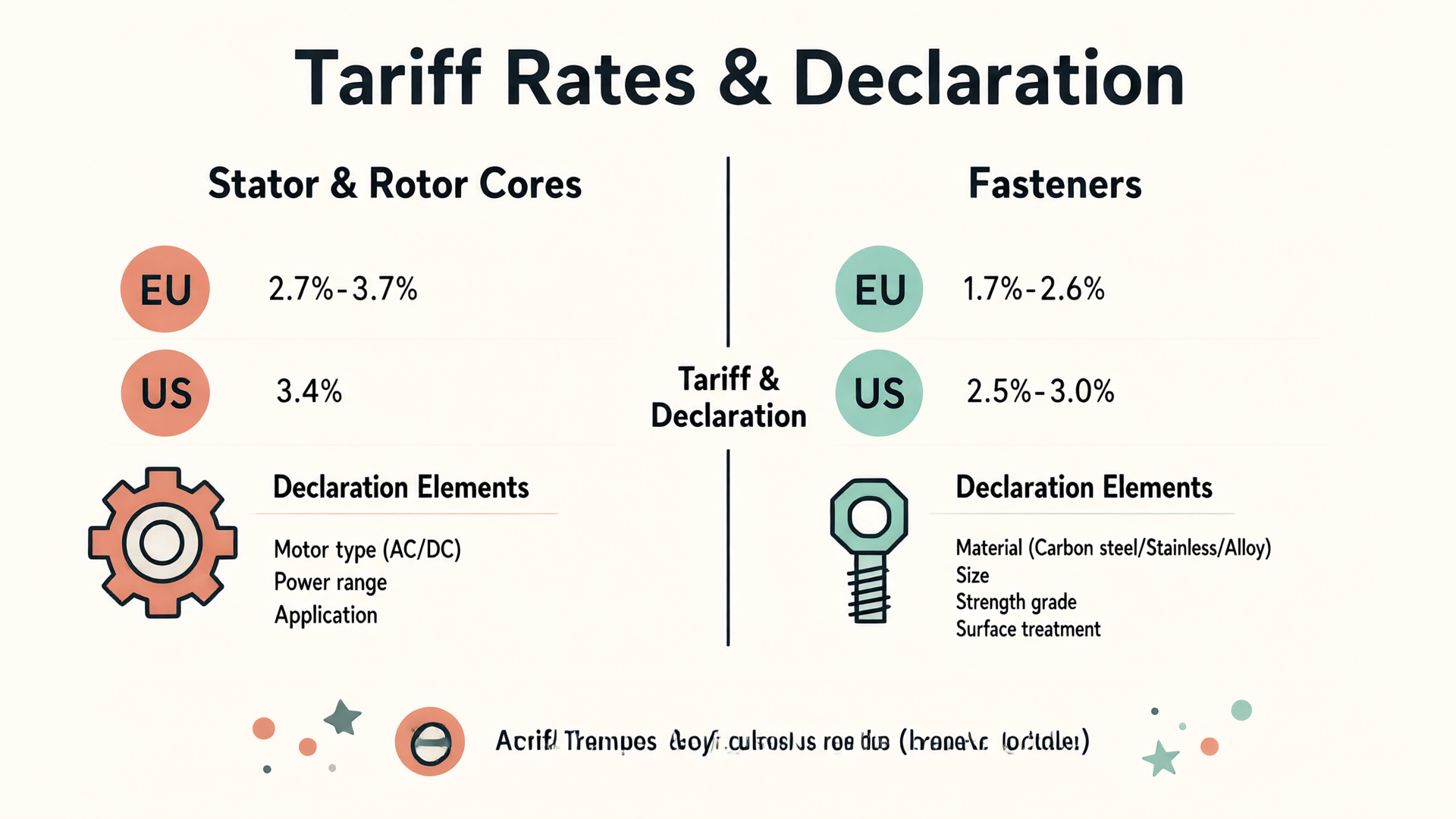
Using China exports as an example, there are significant differences in Most Favored Nation (MFN) tariff rates between stator/rotor cores (8501/8503) and fasteners (7318) across most destination countries. In the EU market, import tariffs for motor parts typically range from 2.7% to 3.7%, while tariffs for steel fasteners are approximately 1.7% to 2.6%. For the US market, motor parts face tariffs of around 3.4%, whereas fasteners incur tariffs of roughly 2.5% to 3.0%.
Differences in declaration requirements are equally critical. Stator/rotor cores require declarations on motor type (AC/DC), power range, and intended use. Fasteners require details on material (carbon steel/stainless steel/alloy steel), dimensions, strength grade, and surface treatment. Accuracy in these declarations directly impacts customs clearance speed and inspection probability.
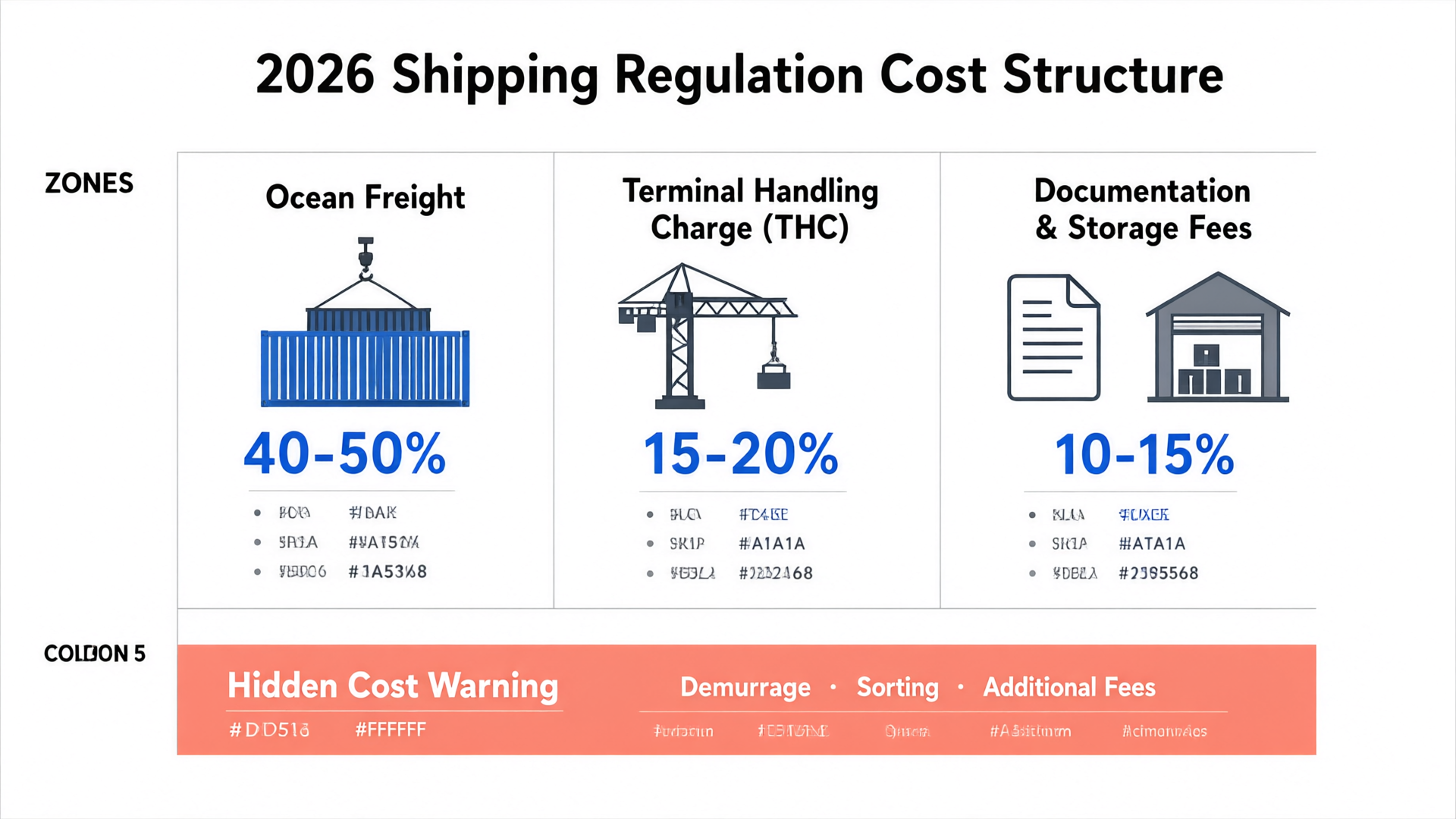
In our experience serving global B2B buyers, costs associated with reclassification errors—such as back taxes and demurrage charges—are significantly higher than the investment required for pre-compliance review. We recommend that exporters confirm HS codes with their freight forwarders or customs brokers prior to shipment and retain product technical specifications as supporting documentation for classification.
 ## Conclusion
The difference in customs classification between stator/rotor cores and fasteners stems from how the "function-specific" versus "material-general" distinction maps within the customs tariff system. Mastering this logic, combined with accurate declaration elements, ensures cost control and smooth clearance in cross-border delivery.
15 years of international trade experience, specializing in the industrial parts supply chain. Expertise in technical standards and quality control systems for motor laminations and fasteners, serving customers in over 100 countries worldwide.